

3M Car Window Tinting in Dubai
Heat control, glare reduction and clear outward visibility
3M automotive window film matched to the vehicle, factory glass, visibility, privacy and solar-control priorities.
We install 3M Crystalline, Ceramic IR, Color Stable and FX-ST, then match the series and shade to the vehicle glass, visibility, privacy, solar-control priorities and budget using documented performance data rather than darkness alone.
- Our Trusted Clients



Quick answers
Car Window Tinting in Dubai: The Four Answers That Matter
Four questions decide almost every tinting job in Dubai, and each one has a definite answer.
How dark can I legally go?
50%
A privately registered car may carry up to 50 percent tint on the side and rear windows. The front windscreen cannot be tinted. Exceeding the limit is a AED 1,500 fine. Tint law in Dubai
What does it cost in Dubai?
On quote
The film series decides most of the price, then the number of windows, the glass size and any old film removal. Call or WhatsApp for a quotation on your car. What moves the price
Does darker tint keep the car cooler?
99% vs 7%
No. At almost the same visible shade, 3M Crystalline CR 40 rejects 99 percent of infrared and FX-ST 35 rejects 7 percent. Heat comes from the film construction, not the darkness. See the data
How long does it take?
Same day
Most cars are tinted the same day at the Al Khabaisi workshop. Removing failed film first adds a separate stage.
Every performance figure on this site is quoted from a 3M technical data sheet with the glass it was measured on named alongside it. A percentage without its test configuration is a marketing number, not a specification.
3M automotive window film
Car Window Tinting Services in Dubai
Car Cool installs four 3M automotive film families. They are four different constructions, not four darkness levels, so the right choice starts with what you want to improve: heat, glare, privacy, night visibility or appearance. The figures below are 3M published data on Auto 75 factory-tinted glass.
Best heat at a legal shade3M Crystalline
- Construction
- Multilayer optical film
- TSER
- 46–64%
- Shades
- CR 20 to CR 90
Infrared rejection95–99%
The choice when the front side glass has to stay light and the cabin still has to stay cool. Holds near-total infrared rejection even at its clearest shade.
Compare Crystalline shadesStrong heat, broad shade range3M Ceramic IR
- Construction
- Nano-ceramic, metal free
- TSER
- 51–66%
- Shades
- IR 5 to IR 70
Infrared rejection78–95%
Absorptive ceramic construction that keeps high infrared rejection across every shade, from privacy-dark rear glass to light front sides.
Compare Ceramic IR shadesCharcoal look that stays neutral3M Color Stable
- Construction
- Non-metallized, colour stable
- TSER
- 50–64%
- Shades
- CS IR 5 to CS IR 70
Infrared rejection32–40%
Built around one failure mode: fading to purple. The pick when a deep, even charcoal appearance matters as much as heat.
Compare Color Stable shadesPrivacy and glare on a budget3M FX-ST
- Construction
- Dyed polyester, non-metallized
- TSER
- 50–61%
- Shades
- FX-ST 5, 20, 35, 50
Infrared rejection7–8%
Delivers real glare reduction and 99% UV blocking at the lowest cost. Not the film to buy if cabin heat is the reason for tinting.
Compare FX-ST shadesProtecting the paint as well? Film, coating and correction solve different problems.
Infrared rejection over 900 to 1,000 nm and total solar energy rejected on Auto 75 glass, from each series’ 3M technical data sheet. Full per-shade tables in the 3M automotive window film guide.
Window Film, PPF and Coating Services
Homes, offices and architecture
Residential, Commercial & Architectural Window Film
On a building the glass decides what can be applied to it. Single, double, laminated and already-tinted panes behave differently, so every film is specified against the actual glazing, its orientation and the shade falling across it.
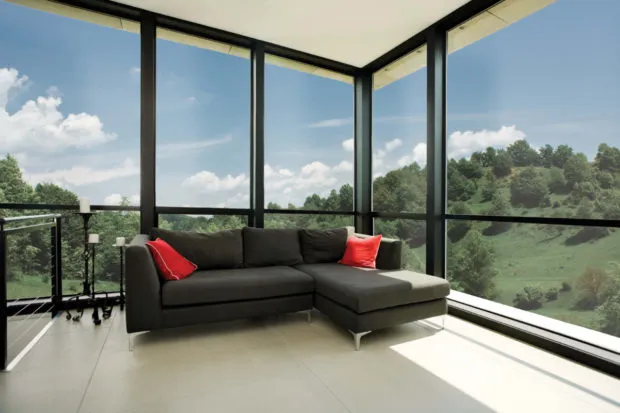
Residential window film
For villas and apartments: heat on west-facing living rooms, UV fading of floors and furniture, and privacy that still works after dark, which reflective film alone does not.
- 3M Prestige
- Night Vision
- Frosted
- Blackout
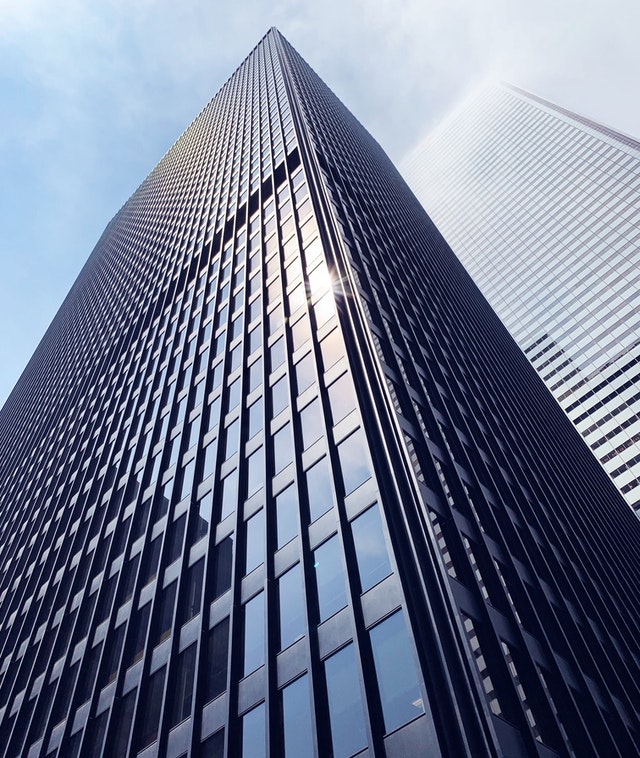
Commercial window film
For offices, clinics and retail: solar control on the facade, glare at screens, frosted bands on partitions, and branding on shopfront glass.
- Sun control
- Office privacy
- Branding
- Frosted partitions
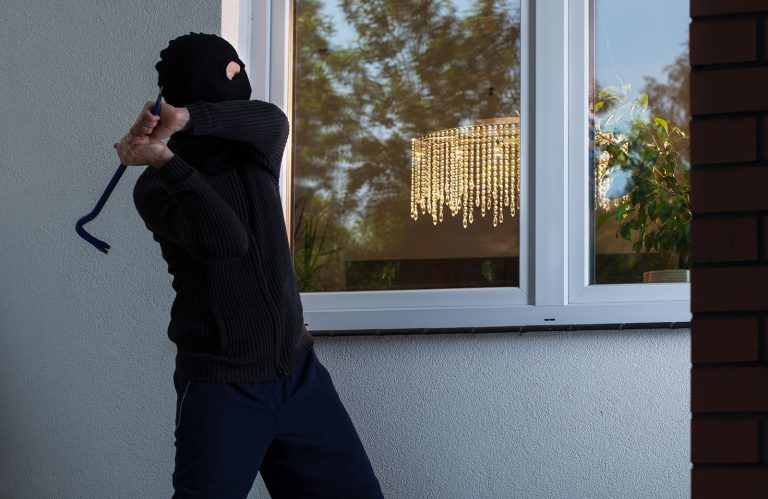
Safety & security film
Thick polyester laminate that holds glass fragments together when a pane breaks, specified with an attachment system where the sheet must stay in the frame.
- 8 mil film
- Fragment retention
- Attachment systems
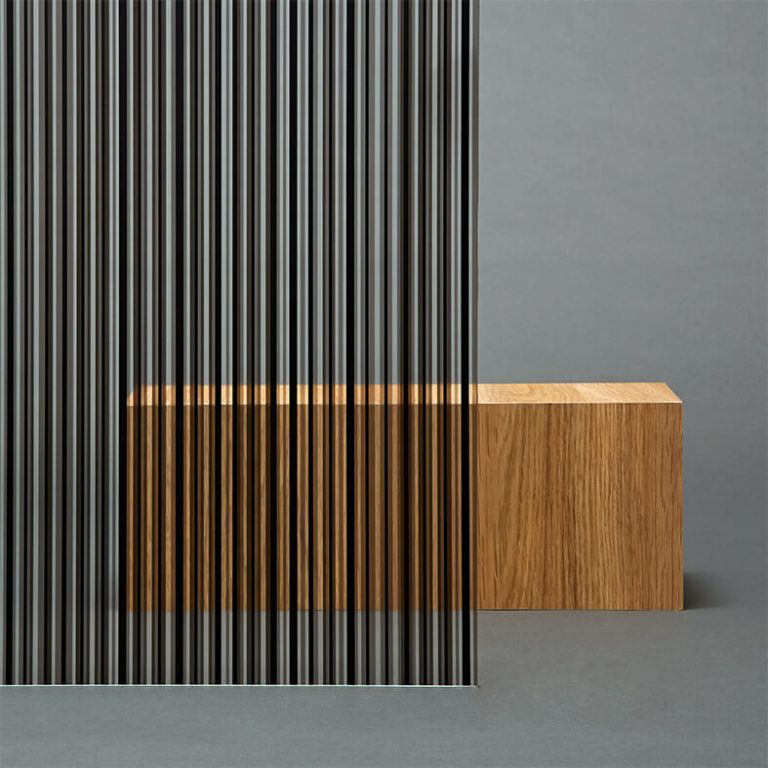
Decorative & architectural
3M FASARA glass finishes for decorative privacy and light diffusion, and 3M DI-NOC surface finishes that re-clad walls, doors and counters without replacing them.
- 3M FASARA
- 3M DI-NOC
Architectural surface finishes: 3M DI-NOC in Dubai.
How a Car Cool job runs
Why Customers Choose Car Cool
A clearer process from product choice to aftercare. Every step is built around one idea: a shade number is not a specification, so the job is matched to the glass you actually have.
Name the problem
Heat, glare, privacy, night visibility, UV and appearance are different problems with different answers. We start there, not with a shade.
Read the glass
Factory privacy glass, laminated windscreens and panoramic roofs all change the finished result, so the glass is checked before a film is chosen.
Specify the product
The exact 3M product code goes on the quote with its published TSER and infrared figures, so two quotes can be compared like for like.
Measure and hand over
The finished window is measured, because that is how it is checked. Film, shade and warranty terms are recorded on your invoice.
3M AuthorisedAutocare Center
Same dayfor most cars
7 days9:00 AM to 11:00 PM
Al Khabaisinear Abu Hail Metro
After the film goes on
Car Tint Installation, Warranty and Aftercare
What you receive at handover and what to do in the first weeks decide how long a film performs.
Documented handover
Before you leave, the film series, shade, glass positions and warranty term are confirmed and written on the invoice. Keep it with the vehicle: warranty claims trace to a product code, not a brand name.
Curing period
Some haze or moisture under the film is normal while the installation solution dries, and it clears as the film cures. Keep windows closed for the stated period and do not press or pick at the edges.
Aftercare and inspection
Clean with a soft cloth and a non-abrasive, ammonia-free cleaner. If bubbles, peeling or edge lift remain after curing, bring the car back for inspection rather than waiting.
Car Cool Customer Reviews


 M Wahab Sharif Samtia
Trustindex verifies that the original source of the review is Google.
Really appreciate for service. Saleem bhai really kind person junaid bashirBest place for ceramic and tint best and genuine quality
 Salman KhanAmazing service provided by Mr. Saleem from 3M car cool, definitely recommendable for all cars and also prizes are very ecomincal for 3M ceramic coating and 3M tinting.
 HRS Khan
Trustindex verifies that the original source of the review is Google.
Good Job done by 3M CAR COOL (Saleem and his team). Ashwath PanickerCalled them up just 1 hour before I wanted to get my car tinted. Got the whole thing done in under 45 minutes. A very professional and excellent job. Couldn’t be happier with the job they’ve done. Very content. They have a machine that gives you real time heat under the different types of tint so you can make the most appropriate choice for your car’s needs. I would recommend anyone reading this to approach them for any and every tinting and body polishing jobs.
 fadhlu rahmanGood service , they are very professional
 Sajeer Abdul RasheedHave been here. Good service and excellent professional work. Thanks Car Cool team.
Myth versus published data
Car Window Tint Myths: Four Things Buyers Get Wrong
Four beliefs cost buyers money in Dubai every week. Each one is answered with the published figure that settles it.
Myth
Darker film keeps the car cooler
Fact
It does not. On 3M reference data for Auto 75 factory-tinted glass, FX-ST 5 sits at 4 percent visible light, the darkest film in the range, and rejects 8 percent of infrared in the 900 to 1,000 nanometre band. Crystalline CR 90 sits at 72 percent visible light, the lightest, and rejects 95 percent. Darkness buys privacy and glare control. Heat rejection is a property of the construction.
FX-ST 5 (darkest)8%
CR 90 (lightest)95%
Myth
All films block roughly the same heat
Fact
They do not, and the gap is large. Held at a matched mid shade on the same Auto 75 glass, infrared rejection runs as below. All four look broadly similar on the car. Only the first two noticeably change how the cabin feels.
Crystalline CR 4099%
Ceramic IR 3585%
Color Stable CS IR 3532%
FX-ST 357%
Myth
A 50 percent film gives a 50 percent window
Fact
It does not, and this is the one that produces fines. The reading is taken on the finished window, which is the factory glass and the film together. Auto 75 automotive glass already transmits 73 percent of visible light before any film; 6 mm clear glass transmits 89 percent; an SUV with factory privacy glass starts darker again. At Car Cool the glass is measured with a light transmission meter before and after installation, rather than assumed from the box.
Myth
Tint blocks phone signal and GPS
Fact
Metal-containing films can. The four 3M automotive families fitted here, Crystalline, Ceramic IR, Color Stable and FX-ST, are all non-metallized constructions, so they do not carry that interference concern. Construction belongs to the exact product code, so confirm it on the quotation.
Infrared rejection measured over 900 to 1,000 nm on Auto 75 automotive glass, from 3M technical data sheets for each series.
Cost guide
What Decides the Cost of Car Window Tinting in Dubai
Car Cool does not publish a fixed price list, because the film series, the number of windows, the glass and any old film removal change every job. Here is what each film level gives you and what moves the quote. Call or WhatsApp for a quotation on your car.
Basic dyed film
Sedan, entry dyed polyester
Call for a quotationInfrared rejection7–8%
- Strong glare reduction
- 99% UV blocking
- Minimal infrared rejection
- Most prone to purpling with age
Nano-ceramic film
Absorptive ceramic construction
Call for a quotationInfrared rejection78–95%
- Substantial infrared rejection
- Performance held across shades
- Non-metallized, signal safe
- Good value for heat control
Premium multilayer film
Crystalline class, SUV figure
Call for a quotationInfrared rejection95–99%
- Highest infrared rejection
- Holds it at light, legal shades
- Best for front side glass in summer
- Clear night visibility at light shades
Infrared rejection from 3M technical data sheets on Auto 75 glass. Every job is quoted on the vehicle and the exact film.
Five things that move the price
- Film seriesMost of the difference. Infrared rejection runs from 7 to 99 percent across the four 3M families at a matched shade.
- Glass positionsFront sides, all sides, rear windscreen, quarter glass and roof are separate pieces of work.
- Size and curvatureA steeply curved rear windscreen takes longer than a flat door glass of the same area.
- Old film removalA separate stage, because the adhesive has to be cleared before new film can bond.
- Vehicle sizeAn SUV carries more glass than a sedan, so an SUV is quoted higher than a sedan on the same film.
Comparing two quotes?
Ask both installers for the exact product code, its published TSER and infrared rejection, the glass those figures were measured on, which windows are included, and the written warranty. Two quotes that differ widely usually differ by an entire film technology. Full cost guide
Tinting by vehicle
Car Window Tinting for Every Vehicle Type
The glass decides the film. These vehicles and glass positions each have their own rules and choices in Dubai.
SUV window tinting
Factory privacy glass sits behind the B-pillar, so legality is decided by the front side windows. SUV tinting in Dubai
Tesla and electric cars
Signal-safe, metal-free film and a separate check on the glass roof. Tesla window tinting
Windscreen rules
The windscreen stays clear apart from a factory sun strip or an approved exemption. Windscreen film rules
Sunroof and panoramic roof
Roof glass is often tinted and laminated from the factory, so it is measured before and after. Sunroof tinting guide
Old tint removal
Purple or bubbling film is lifted with heat and the adhesive cleaned before new film goes on. Car tint removal
Company fleets
Taxi and corporate fleets get one film and shade on every vehicle, so the whole fleet looks and performs the same. Ask for a fleet quotation
Window tinting basics
Car Window Tint Guides for Dubai Drivers
Short guides that explain how tint works, what it blocks and how to compare film before you book.
What is window tinting?
A beginner guide to film types, VLT and what tint does on car glass. Read the beginner guide
How window tinting works
How film absorbs and reflects visible light, infrared and UV. See the science
Ceramic window tint explained
What nano ceramic film is and why it is signal-safe. Read about ceramic tint
Window tint and UV protection
How much UV each 3M film blocks and what that means for skin and interiors. Read the UV guide
Window tinting vs window film
The difference between the two terms for cars, homes and offices. See the difference
History of window tinting
From early dyed film to multilayer and ceramic technology. Read the history
Car Window Tinting FAQs in Dubai
How much does it cost to tint a car in Dubai?
Car Cool quotes each car rather than publishing a fixed price, because the price is set by the film series, the number of windows, the size and curve of the glass and whether old film has to come off. The film series makes most of the difference, not the shade. Call 050 707 1892 or send the car model on WhatsApp for a quotation.
Is car window tinting allowed in Dubai?
Yes, within a limit. A privately registered vehicle may carry up to 50 percent tint on the side and rear windows, meaning at least 50 percent of visible light must still pass through the finished window. The front windscreen cannot be tinted other than a factory sun strip along the top edge. Exceeding the limit carries a AED 1,500 fine. Darker tint can be approved in specific cases with prior authorisation.
Is 30 percent tint darker than 50 percent?
Yes. The number is visible light transmission, so it says how much light gets through rather than how much is blocked. A 30 percent window transmits 30 percent of visible light and a 50 percent window transmits 50 percent, which makes 30 percent darker. In the UAE, 50 percent is the lowest transmission permitted on the side and rear glass of a private car, so a finished 30 percent window sits below the legal limit.
Why do websites give different legal tint numbers for Dubai?
Because the rule changed in 2017. The limit was previously 30 percent tint, meaning 70 percent light transmission, and it was raised to 50 percent in recognition of UAE summer conditions. Pages quoting 30 percent, or a 70 percent windscreen allowance, are repeating the pre-2017 position. The current rule for a private vehicle is up to 50 percent on side and rear glass with a clear windscreen.
Does darker tint keep a car cooler?
No. On 3M reference data for Auto 75 factory-tinted automotive glass, FX-ST 5 is the darkest film in the range at 4 percent visible light transmission and rejects 8 percent of infrared in the 900 to 1,000 nanometre band. Crystalline CR 90 is the lightest at 72 percent visible light and rejects 95 percent. Darkness buys privacy and glare control; heat rejection comes from the film construction.
What matters more for heat control, TSER or infrared rejection?
TSER is the better overall comparison because it measures total solar energy rejected across the whole solar spectrum. Infrared rejection covers one band only: 3M publishes IRR over 900 to 1,000 nanometres and IRER over 780 to 2,500 nanometres, and a film can score very differently on each. Compare TSER first, then read IRR and IRER as supporting detail, and check that both figures were measured on the same glass configuration.
What is the difference between 3M Crystalline, Ceramic IR, Color Stable and FX-ST?
They are four constructions with different heat performance at the same shade. Held at a matched mid shade on Auto 75 glass, infrared rejection in the 900 to 1,000 nanometre band runs 99 percent for Crystalline CR 40, 85 percent for Ceramic IR 35, 32 percent for Color Stable CS IR 35 and 7 percent for FX-ST 35. Crystalline is a multilayer optical film, Ceramic IR is nano-ceramic, Color Stable is a charcoal non-metallized film built around colour stability, and FX-ST is a dyed polyester range. All four are non-metallized.
How should I choose a tint shade for my car in Dubai?
Choose the series first and let the legal limit set the shade. The permitted reading is taken on the finished window, which is the factory glass plus the film, so a nominal shade number does not prove compliance on its own. Decide what you are solving for: glare and privacy track the shade directly, heat tracks the construction, and UV is already at 99 percent or better on every 3M automotive film including the lightest ones.
Can a lighter window film still block UV?
Yes. Visible light transmission and ultraviolet transmission are separate properties. 3M publishes UV blocking of 99 percent or higher across the Crystalline, Ceramic IR, Color Stable and FX-ST automotive ranges, including the lightest shades in each. UV protection should therefore not drive the shade decision.
Will window film interfere with GPS, mobile signal or keyless entry?
No, on a non-metallized film. Interference is associated with metal-containing constructions. Crystalline, Ceramic IR, Color Stable and FX-ST are all non-metallized. Construction belongs to the exact product code, so confirm the code on the quotation rather than relying on the brand name.
Which tint is clear at night but still cuts heat during the day?
A light shade in a high-performing series. Outward visibility at night falls with visible light transmission, so the answer is a lighter film with better construction rather than a darker one. On Auto 75 factory glass, 3M Crystalline CR 70 transmits 58 percent of visible light and still rejects 55 percent of total solar energy with 97 percent infrared rejection in the 900 to 1,000 nanometre band.
How long does car tinting take?
Most cars are completed the same day at the Al Khabaisi workshop. The time depends on how many glass positions are involved and how curved they are. Removing failed or non-compliant film beforehand is a separate stage that adds to it.
What should I expect while new window film is curing?
Some haze or a moisture appearance is normal while the installation solution dries, and it clears as the film cures. Curing time varies with the film, the glass, the temperature and the conditions on the day. Follow the aftercare instructions, avoid disturbing the film edges, and return for inspection if bubbles, peeling, edge lift or clarity problems remain after the stated period.
Can old car tint be removed before new film is installed?
Yes, and it has to be. Old film and the adhesive under it are removed with heat and adhesive softeners before the glass is prepared for new film. New film cannot bond reliably through an existing layer or through residual adhesive, and layering two films also multiplies the light reduction, which can take a compliant car over the legal limit.
What is car cooling film?
Cooling film is the everyday Dubai name for heat-rejecting car window film, also called car glass tinting or sun control tint. How cool it keeps the cabin depends on the film series, not the darkness: on Auto 75 factory glass, 3M Crystalline rejects 95 to 99 percent of infrared in the 900 to 1,000 nanometre band, while a dyed film rejects 7 to 8 percent.
Which car tint is best for heat in Dubai?
The one with the highest total solar energy rejection at a shade that stays within the limit. On Auto 75 factory glass, 3M Crystalline rejects 46 to 64 percent of total solar energy and 95 to 99 percent of infrared in the 900 to 1,000 nanometre band across its whole range, including its lightest shades.
Can tint be applied over factory privacy glass?
Yes, but the two layers combine and the finished window reads darker than the film’s nominal number. On most SUVs the rear glass is already dark from the factory, so the compliance question lands on the front side windows.
Where can I get 3M car tinting near me in Dubai?
Car Cool Auto Accessories is a 3M Authorised Autocare Center at 157 Al Ittihad Road, Al Khabaisi, Deira, near Abu Hail Metro. The workshop is open 9 AM to 11 PM every day and most cars are fitted the same day. There is no mobile service, so bring the car to the workshop; call 050 707 1892 or WhatsApp to book a slot. Get directions on Google Maps.