
Paint protection film can support resale value by reducing stone chips, scuffs and other visible damage to the original factory paint, although the effect on resale depends on the vehicle, paint condition, coverage and buyer. 3M Pro Series 4.0 is about 0.2 mm thick with adhesive and removes cleanly from sound factory paint when the car is sold.
Installing PPF can preserve more of the original factory paint by reducing damage from stone chips, road debris, abrasion and environmental exposure, which can reduce the need for paint correction, touch-ups or respraying. Installation records, warranty documents and clear photographs can help a prospective buyer verify where PPF was installed and assess the condition of the protected paint.
What Is Paint Protection Film?
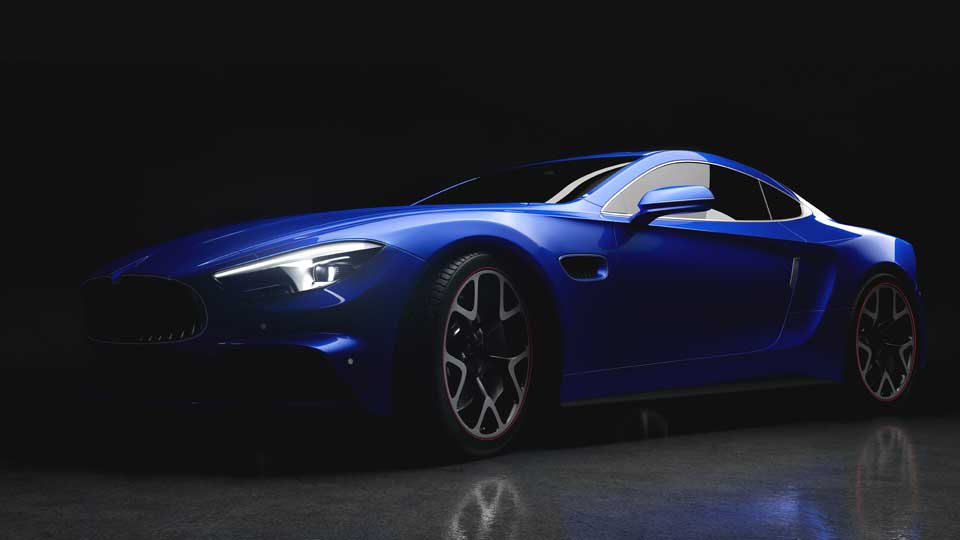
Paint protection film is a transparent, durable protective layer applied to a vehicle’s exterior. It acts as a protective shield over the paint, reducing damage from mechanical impacts and environmental wear. PPF is engineered to provide chip resistance, scratch protection, and stain resistance while preserving surface clarity and gloss.
Key attributes: protective barrier, surface protection, gloss enhancement, durability, and ease of maintenance.
How Does PPF Protect Paint in Dubai?
UV protection and paint life
Prolonged UV exposure and environmental weathering can contribute to deterioration of automotive paint and clear coat over time. PPF adds a clear layer over the paint that takes the sun and weathering first, which can help slow colour fading on covered panels. PPF can help preserve the condition of covered paint, but long-term gloss and colour retention also depend on the film, paint system, exposure, maintenance and environmental conditions.
Sand, stone chips and road debris
Sandstorms and sharp road debris cause microchips and scratches that quickly lower perceived vehicle condition. PPF provides a physical barrier over vulnerable panels such as the bumper, bonnet, fenders and mirrors, reducing the risk of paint damage from many minor road impacts and abrasions.
Chemical and pollutant resistance
Environmental contaminants, bird droppings, fuel splashes, and industrial fallout, can etch and stain paint. PPF separates covered paint from direct contact with many environmental contaminants, although contaminants can still stain, etch or damage the film if they are not removed appropriately.
Why Do Buyers Value Original Factory Paint?
When shoppers evaluate a used car, the exterior condition signals how the vehicle was cared for. Factory paint preservation reduces doubts about accident repairs, bodywork discrepancies, or hidden damage. Preserved factory paint can be valuable during a used-car inspection because:
- Repainting suggests past damage to many buyers.
- Factory coatings maintain consistent color, texture, and reflectivity.
- A well-preserved finish gives buyers and appraisers clearer evidence of the vehicle’s exterior condition.
Use documentation (installation receipts, warranty papers, and patch photos) to validate paint integrity and show the protective layer that preserved the finish.
How PPF Keeps a Car Looking Newer
Easier cleaning and stain resistance
PPF’s surface chemistry often repels dirt and contaminants, making vehicles easier to clean. The surface properties of some PPF products can make routine cleaning easier and reduce the need for aggressive paint correction on the protected panels.
Self-healing top coat and gloss
Many modern PPF products use self-healing top coats designed to reduce minor surface marks when exposed to heat, with the exact behaviour depending on the specific film. Maintaining a cleaner, less visibly damaged exterior can improve how prospective buyers perceive the vehicle’s condition.
PPF vs Ceramic Coating vs Wax for Resale
A clear comparison helps buyers and sellers understand value.
- Waxing / Sealants: Short-lived, low-cost, temporary gloss. Does not protect against chips or deep scratches.
- Ceramic coating: Provides hydrophobic and gloss benefits; resists minor staining but does not stop stone chips or deep abrasions.
- PPF (film): Mechanical barrier against chips and scratches, plus many films offer hydrophobic and self-healing properties. Best option where chip resistance and paint preservation are critical.
Recommendation: Use PPF where physical damage is a concern; consider a ceramic coating over PPF (or on unprotected panels) for extra hydrophobicity and gloss.
Which PPF Coverage Protects Resale Value?
Film materials
Not all films are the same. Look for films described with attributes like durability, clarity, self-healing, and UV protection. Ask about expected lifespan and test data for heat/UV resilience.
Full body, full front and partial kits
- Full body: provides the widest PPF coverage and may suit vehicles where preserving paint across most exterior panels is a priority.
- Front kit: common for drivers who want protection for the hood, bumper, mirrors, and fenders.
- Partial kit: focuses on the most-exposed panels for cost-effectiveness.
Choose coverage based on driving conditions, resale goals, and budget.
Warranty and durability
Ask for written warranty details, expected years of service, and coverage terms (stain protection, delamination, yellowing). Ask the installer for written warranty terms, any applicable transfer conditions and product-specific maintenance instructions.
Is PPF Worth It for Resale Value?
PPF pays back at resale only when it prevents damage a buyer would otherwise see, or a respray would otherwise fix. It has no fixed return, so judge it on what it avoids and what it keeps.
- What it avoids: chip touch-ups, paint correction and panel resprays on the front end and door edges.
- What it keeps: original factory paint, which buyers and inspectors check with a paint thickness gauge.
- Where it matters most: newer, high-value and dark-coloured cars, where chips and swirls are most visible.
Checklist Before Selling a PPF-Protected Car
- Keep installation proof and warranty documents ready.
- Photograph untouched paint areas after film removal (if applicable) and before sale.
- List protective film coverage and notable attributes (UV protection, self-healing, chip resistance).
- Mention lower maintenance needs (easier cleaning, stain resistance).
- Price competitively, using preserved original factory paint as a negotiation asset.
Visible paint condition, minimal chips and documented care can give prospective buyers useful evidence when assessing the vehicle.