

Car Polishing in Dubai
Professional car polishing and paint correction for reducing suitable swirl marks, oxidation, haze and clear-coat defects while restoring gloss.
Car Polishing in Dubai: Paint Correction, Defect Removal and Finish Refinement
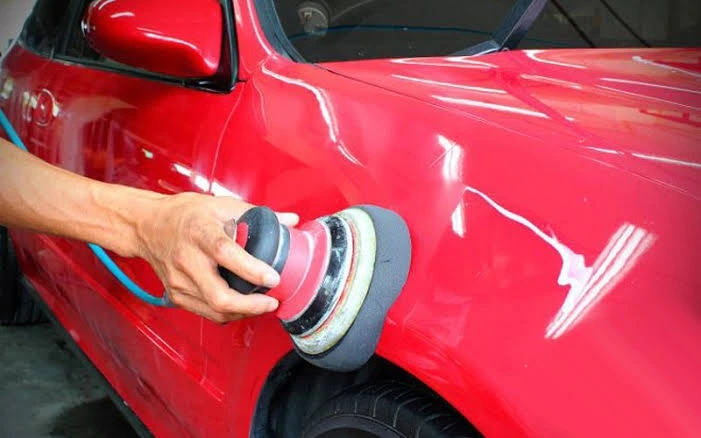
Car polishing is an abrasive paint-refinement process used to improve the appearance of suitable defects in the vehicle’s clear coat. Unlike a wax or sealant, polishing does not simply cover the surface. A polishing compound, pad and machine combination removes a controlled amount of paint or clear coat to level fine defects and improve reflected light.
Typical correction targets include wash-induced swirl marks, light clear-coat scratches, oxidation, water-spot etching, haze and loss of gloss. Results depend on defect depth, paint thickness, previous polishing, repaint history and the hardness of the paint system.
Not every scratch can or should be removed. If a defect is too deep, aggressive polishing may remove too much clear coat. A professional inspection should therefore come before correction. After polishing, the refined finish can be protected with ceramic coating, wax or another suitable product. For stone-chip exposure, PPF serves a different protective role.
Which Paint Defects Can Car Polishing Improve?
Swirl marks and wash marring: fine circular or directional marks in the clear coat can often be reduced significantly when enough safe paint thickness is available.
Oxidation and dullness: polishing can remove a weathered surface layer and restore clarity where the paint system is still healthy enough to correct.
Light scratches: scratches confined to a correctable portion of the clear coat may be reduced or removed. Scratches that penetrate too deeply should not be chased aggressively just to make them disappear.
Water spotting and etching: some mineral deposits sit on the surface and can be removed through decontamination, while etched marks may require polishing. Deep chemical etching may remain partly visible.
Holograms and previous machine marks: incorrect polishing can leave rotary trails or haze. A suitable refining stage can improve these defects.
Polishing cannot repair dents, missing paint, stone chips, cracks or damage that has penetrated through the paint system. Those require a different repair process.
Paint Inspection and Choosing the Right Correction Level
A professional polishing service should begin with inspection under suitable lighting. The technician needs to distinguish contamination from actual paint defects and identify repainted panels, thin areas, edges and previous correction where possible.
One-step polishing is generally used when the goal is gloss enhancement and reduction of lighter defects with a balanced cut-and-finish process. Multi-stage correction uses a more aggressive defect-removal stage followed by refining, and is appropriate only when the paint condition and thickness allow it.
The objective should be the best safe improvement, not a promise of 100% defect removal. Preserving clear coat matters because polishing removes material each time it is performed.
If the vehicle mainly needs cleaning rather than correction, start with car detailing. If the corrected paint needs easier maintenance and hydrophobic protection afterward, consider ceramic coating. If road-impact protection is the priority, use PPF.
How Car Polishing and Paint Correction Work
1. Wash and decontaminate: loose and bonded contamination should be removed before polishing so grit is not dragged across the paint and defects can be assessed accurately.
2. Inspect and test: evaluate the paint under controlled lighting and, where appropriate, use a test area to find the least aggressive combination that achieves the required improvement.
3. Correct: machine polishing uses a selected compound or polish, pad and machine action to level a controlled amount of clear coat around defects. Heat, pressure, pad cleanliness and working time must be managed carefully.
4. Refine: when a cutting stage leaves haze or micro-marring, a finishing polish can restore clarity and gloss.
5. Protect: freshly polished paint should receive an appropriate protection product. Wax or sealant can be used for shorter-term protection, while ceramic coating provides a different longer-term surface treatment. PPF is considered when physical impact protection is required.
GALLERY
Frequently Asked Questions About Car Polishing and Paint Correction
Does car polishing remove all scratches?
No. Polishing can reduce or remove defects that are within a safely correctable part of the clear coat. Deep scratches, chips and damage through the paint may remain and can require repair rather than further polishing.
What is the difference between polishing and waxing?
Polishing is abrasive and corrects suitable surface defects. Wax adds a temporary protective layer and gloss but does not level scratches in the clear coat.
What is one-step vs multi-stage paint correction?
One-step polishing balances defect reduction and finishing in one machine-polishing stage. Multi-stage correction uses a stronger cutting stage followed by refining and is used when the paint condition and safe thickness justify more correction.
Can I apply ceramic coating after polishing?
Yes. Polishing is commonly used to prepare and refine paint before ceramic coating. The paint must then be cleaned of polishing residue so the coating can bond correctly.
How often should a car be polished?
Only when the paint condition justifies it. Because polishing removes a controlled amount of clear coat, it should not be treated as routine washing or performed unnecessarily.
Can polishing fix faded or oxidised paint?
It can improve many cases of surface oxidation and dullness, but results depend on paint condition. Clear-coat failure, peeling or severe damage cannot be safely corrected with polishing alone.
Will polishing protect the paint afterward?
Polishing itself is correction, not durable protection. Apply a suitable wax, sealant, ceramic coating or PPF afterward based on the protection required.
How much does car polishing cost in Dubai?
Pricing depends on vehicle size, paint condition, correction target and number of polishing stages. A meaningful quote should follow a paint inspection rather than rely only on vehicle size.