3M FX-ST 5 Automotive Window Film: VLT, TSER and Dark-Shade Guide
3M FX-ST 5 guide covering published VLT, TSER, UV and glare data, factory glass, dark-shade visibility and current vehicle requirements.


3M FX-ST 5 guide covering published VLT, TSER, UV and glare data, factory glass, dark-shade visibility and current vehicle requirements.

Learn how 3M Color Stable automotive window film works, including VLT, TSER, UV performance, non-metallized construction, signal compatibility and shade selection.
3M Color Stable 35 guide covering published VLT, TSER, UV, glare and infrared-energy data, factory glass, signal compatibility and shade selection.
3M Color Stable 20 guide covering published VLT, TSER, UV, glare and infrared-energy data, factory glass, privacy, visibility and vehicle requirements.
3M Color Stable 5 guide covering published VLT, TSER, UV, glare and infrared-energy data, factory glass, signal compatibility and shade selection.

Learn how 3M Ceramic IR automotive window film works, including TSER, infrared rejection, VLT, UV performance, nano-ceramic construction and signal compatibility.
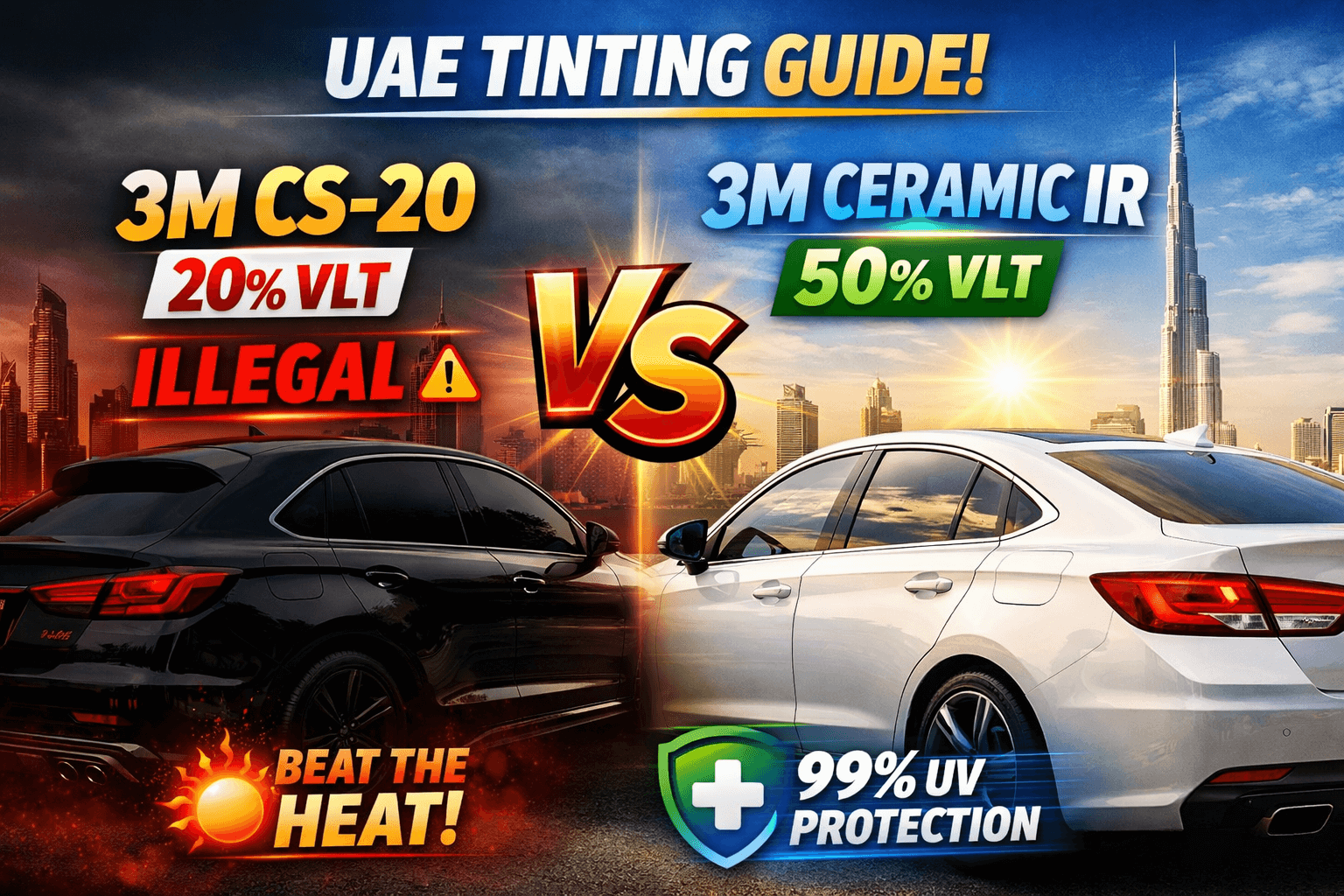
Compare 3M Ceramic IR and Color Stable by VLT, TSER, infrared data, UV performance, construction, signal compatibility, appearance and vehicle fit.
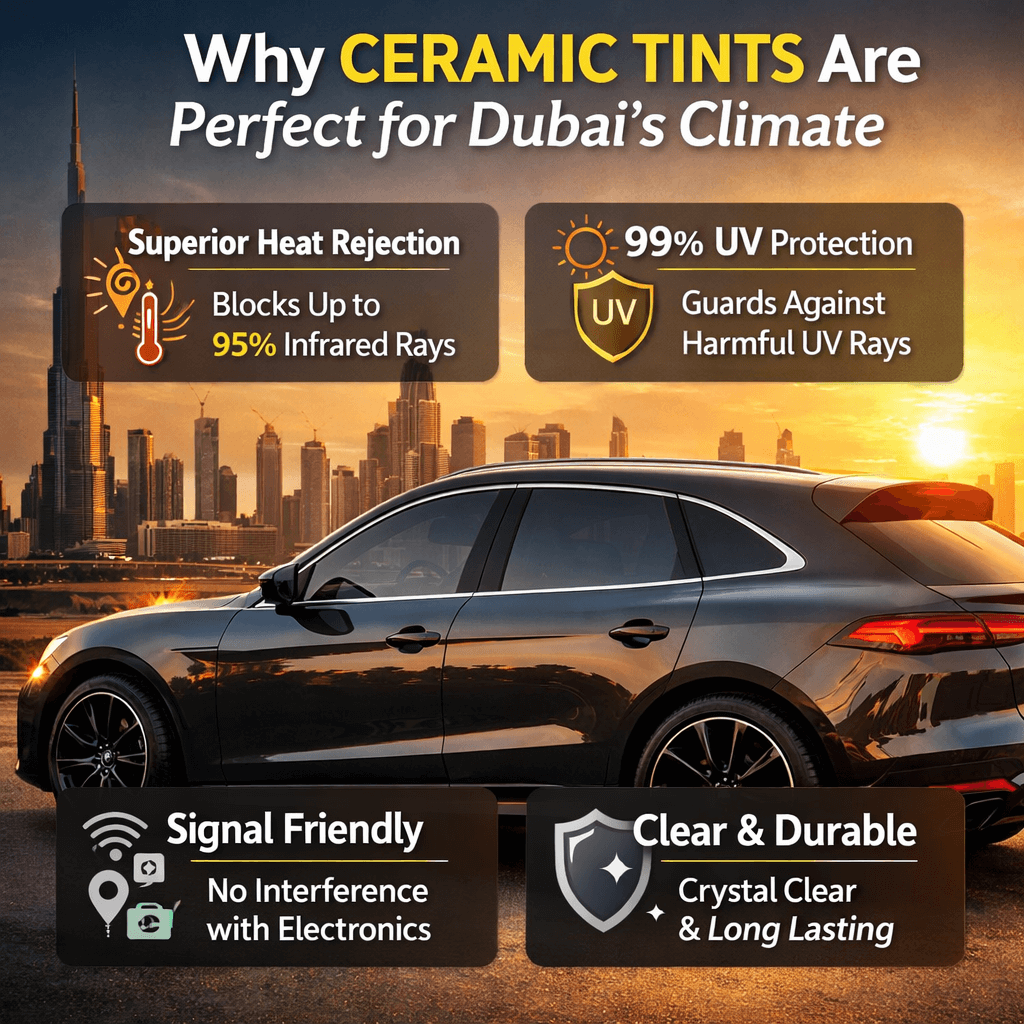
This older commercial guide has been consolidated into Carcool’s primary car window tinting page.

Window tinting for a car sunroof helps manage heat, reduce glare, block UV rays, and protect your interior from fading. A sunroof sits directly under
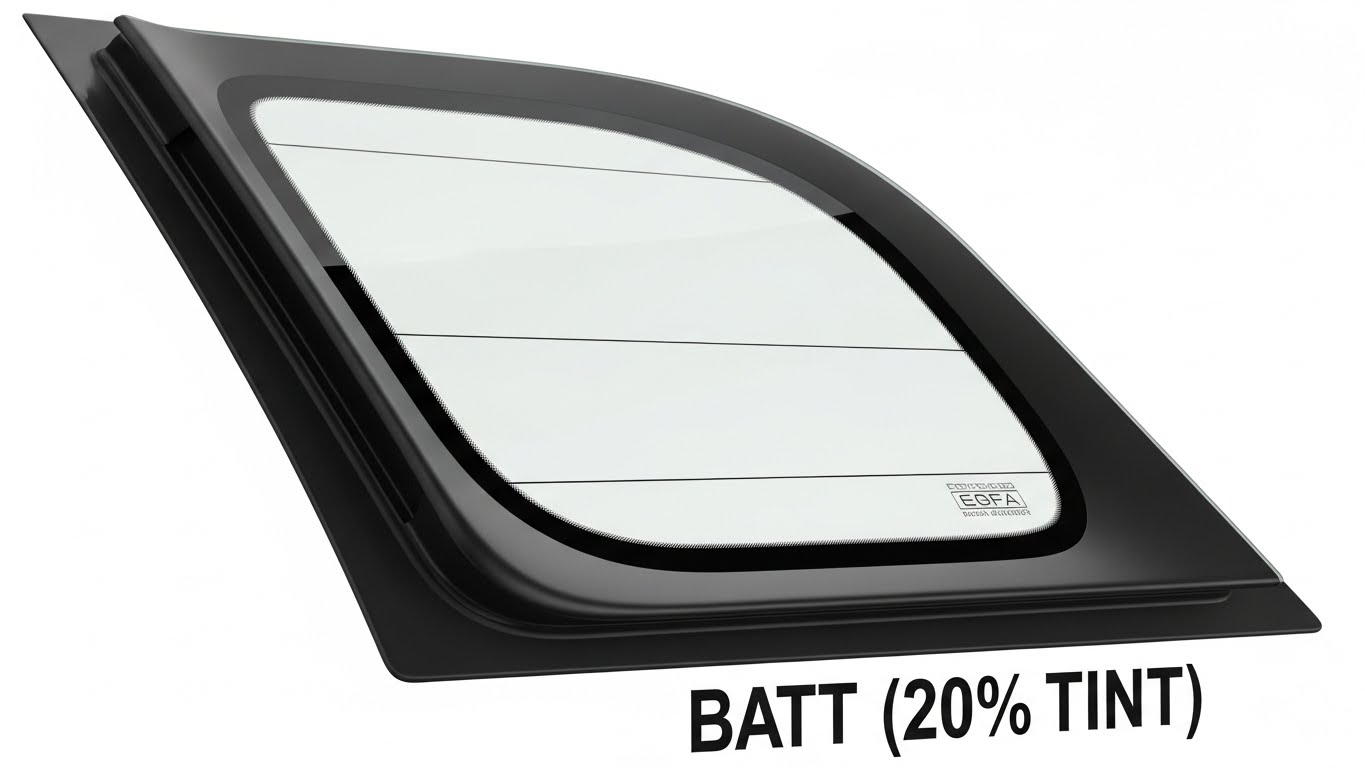
Learn how to choose automotive window tint VLT by balancing factory glass, visibility, privacy, glare, TSER, UV performance and current vehicle requirements.