

Where Safety and Security Window Film Fits in Dubai Glazing
3M Safety and Security Window Film is a protective glazing film designed to help hold broken glass fragments together after impact or spontaneous breakage. The film forms a film-and-glass system whose performance depends on film construction, film thickness, glass type and thickness, frame condition, attachment method, installation quality and the type of impact.
For homes, offices, shops and other glazed areas, common priorities include reducing hazards from flying glass, delaying forced entry, and retaining broken glazing after impact. Solar-control, privacy and decorative films address different needs. Confirm the performance of the exact safety-film system you select.
3M states that selected Safety & Security films, when used as specified and in some applications combined with 3M Impact Protection Attachment (IPA) Sealant, can help retain broken glass and may help delay potential intruders. The film does not make windows bulletproof, does not stop intruders and does not eliminate the possibility of injury or property damage.
Residential projects can continue to the residential safety-film application, while offices, shops and facilities can use the commercial security-film application. The guidance below explains how film, glazing and attachment work together.
How 3M Safety Film Works with Glass and Attachment Systems
Safety film is typically a multi-layer polymer film bonded to the interior face of suitable glazing with an adhesive system. When glass breaks, the film helps keep fragments connected to the filmed layer instead of allowing the pane to separate into the same pattern as untreated glass.
The film, adhesive, glass, frame and attachment must work together as a system. If the objective includes windstorm, forced-entry delay, explosion mitigation or specified spontaneous-breakage applications, the required construction may include an attachment system such as 3M Impact Protection Attachment (IPA) Sealant. Product selection should follow the current technical data and installation guidance for the exact application.
Film thickness alone is not enough to predict performance. Glass thickness, annealed/tempered/laminated construction, frame strength, bite depth, sealant, pane dimensions, impact location and installation method can all change how the system behaves.
This is why safety-film quotes should begin with a glazing survey rather than a generic “security tint” price. The installer needs to know what glass is present, what hazard is being addressed and what level of fragment retention or delay is being specified.
Enhance Safety & Reduce Risk
The primary safety benefit is glass-fragment retention. When suitable safety film is installed correctly, the filmed pane can help reduce the release of flying shards after certain impact or breakage events. That can be relevant around doors, shopfronts, partitions, home windows and other occupied areas where broken glass itself creates a hazard.
Security is a related but separate attribute. With the correct 3M film and attachment configuration, the glazing system may make forced entry through broken glass more difficult and can help delay access. Delay is not the same as prevention. Film does not replace locks, alarms, access control, laminated security glazing or other physical-security measures.
For buyers comparing “safety film vs security film,” the difference is therefore the intended outcome: safety focuses on the behaviour of broken glass, while security applications add a specified delay objective and may require an attachment system. Both should be selected from the actual glass and frame conditions rather than from film thickness alone.
Glass Type, Frame Condition and Attachment Requirements
Safety-film design should start with a survey of the existing glazing. The installer needs to identify the glass type, glass thickness, pane dimensions, frame material, edge condition, existing coatings and the amount of glass captured by the frame. These attributes affect film compatibility and the way a broken pane can remain attached to the opening.
Where an application requires an attachment system, the attachment connects the filmed glass more securely to the frame. 3M specifically requires its Impact Protection Attachment (IPA) Sealant for certain windstorm, break-and-entry, explosion-mitigation and spontaneous-breakage applications. The exact requirement should be taken from the current technical and installation documentation for the selected system.
Building-code or compliance claims should not be made from the film name alone. Applicable standards depend on the building, glazing location, hazard and local requirements. Where a project has a formal safety or security specification, the film and attachment design should be checked against that specification before installation.
Wind, Debris and Accidental Impact Applications
For glazing exposed to accidental impact, wind-borne debris or other breakage hazards, the relevant property is what happens after the glass fractures. A correctly specified safety-film system can help keep fragments attached to the filmed pane and reduce the amount of loose glass released into the occupied area.
Windstorm performance is application-specific. 3M notes that certain windstorm applications require Safety & Security Window Film together with the Impact Protection Attachment (IPA) Sealant. Glass type, pane size, frame construction, pressure, debris and installation details all affect performance, so this should not be presented as a generic hurricane-proof upgrade.
Specialist Blast-Mitigation Applications
Blast-mitigation is a specialist commercial or government-facility application, not a general residential claim. 3M states that references to explosions or blasts apply only to commercial and non-educational government facility applications, and the system must be selected from the current technical guidance.
The objective is to help reduce hazards from flying glass fragments under specified conditions. Performance depends on the film, glass, frame, attachment system, distance and characteristics of the event and the building construction. A normal safety-film installation should not be advertised as blast-proof or explosion-proof.
Glass Doors, Partitions and Pool-Area Glazing
Doors, partitions and pool-area glazing are examples where accidental glass breakage can create an immediate fragment hazard. Safety film can be considered as part of a glazing-safety assessment when the existing glass is compatible and the intended benefit is to help keep broken fragments associated with the filmed pane.
Film does not automatically convert non-compliant glass into code-compliant safety glazing, and pool barriers or balustrades can be subject to specific structural and safety requirements. These applications should be checked against the actual glass specification and local project requirements before film is proposed.
Residential Safety Film for Windows and Doors
In homes, safety film is commonly considered for glass doors, large windows and other occupied areas where fragment retention after accidental breakage is valuable. It can also form part of a layered break-and-entry strategy when the selected film is combined with the attachment configuration required for that application.
The security claim should remain precise: properly specified systems may help delay access through broken glazing, but the film is not designed to stop an intruder. Residential security should still rely on suitable locks, frames, alarms and other measures.
For home glazing, see Safety and Security Window Film for Residential Areas. Review the residential options for advice specific to home glazing.
Balustrades, Facades and Large Glazing Areas
Large glazed areas, balustrades and facade elements require particular care because the glass may have a structural or barrier function beyond simply closing an opening. Safety film can improve fragment retention on compatible glazing, but it should not be assumed to replace laminated safety glass, structural interlayers, handrail systems or code-required barrier performance.
For these applications, the installer should identify the glazing make-up and understand the design objective before recommending film. Pane dimensions, glass thickness, edge support, frame system and exposure all influence the appropriate film and attachment detail.
Safety & Security Film Features and Selection Factors
- Sublime Protection
Fragment retention: the primary function is helping broken glass remain associated with the filmed pane after certain impact or spontaneous-breakage events. This can reduce the release of loose shards, but it does not eliminate all injury or property-damage risk.
- Transparency
Forced-entry delay: selected 3M Safety & Security Window Films used with the required Impact Protection Attachment system may make access through broken glazing more difficult and help delay a potential intruder. They are not bulletproof and are not designed to stop intruders.
- Durability
Clear appearance and maintenance: many safety films are designed to remain visually unobtrusive on glass. Appearance, abrasion resistance, cleaning method and warranty vary by product, so maintenance instructions should follow the selected 3M film rather than a generic “scratch-proof” promise.
- Several Benefits
Secondary solar properties: some safety and security films also provide UV rejection or solar-control properties, but those values vary by series. If heat rejection, glare reduction or privacy is the main objective, compare the appropriate commercial or residential window-film solutions instead of assuming every safety film has the same solar performance.
- Customization
Product and system selection: 3M offers multiple Safety & Security film constructions and thicknesses. Selection should follow the required application, glass make-up, frame, attachment method and current technical data rather than choosing by darkness or thickness alone. Ask for the exact film series and attachment detail in the project specification.
GALLERY
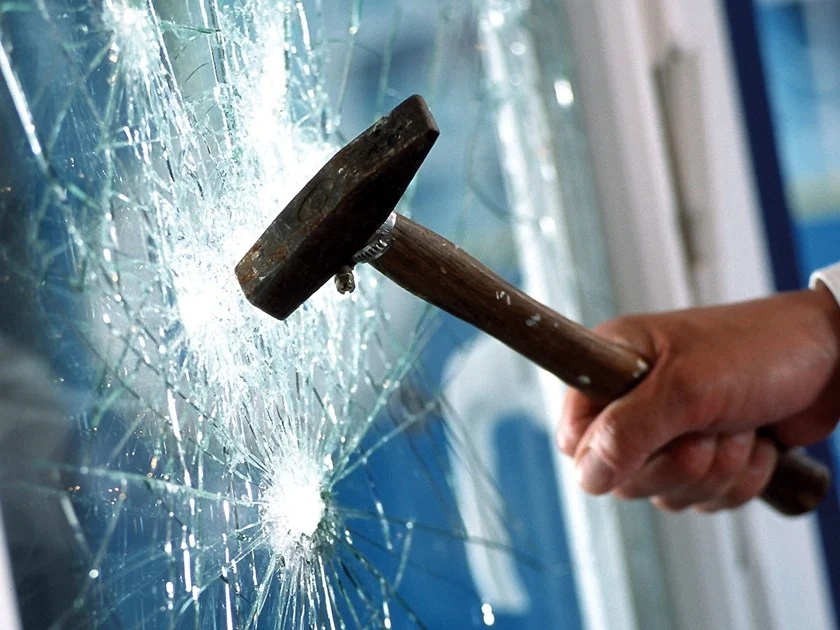
3M Safety and Security Window Film is a protective layer designed to strengthen glass and prevent shattering in homes, offices, or commercial buildings. Using advanced adhesive technology, it bonds tightly to glass, holding broken shards together during storms, burglaries, or accidents. This shatter-resistant film reduces injury risks and deters break-ins by making it harder for intruders to breach windows. Available in clear or tinted solar control options, it also blocks UV rays and enhances energy efficiency, offering privacy and durability.
Unlike tempered glass or shutters, 3M Security Window Film offers a cost-effective, transparent solution that enhances safety without altering your window’s appearance. It outperforms regular window film by providing impact-resistant and burglary-resistant properties, making it ideal for storm-prone areas or blast-prone environments. Compared to Llumar window film, 3M films excel in durability and UV protection, with customizable tints for privacy and energy savings. Choose 3M for a versatile, low-maintenance option that meets building codes.
Yes, 3M Safety Window Film is a storm-resistant solution that reduces risks in hurricane-prone areas. Its shatter-resistant design holds glass together, preventing flying shards from causing injury or property damage during high winds or debris impact. Perfect for residential and commercial properties, it ensures peace of mind by reinforcing windows against extreme weather. Pair it with safety strips for added compliance with building safety standards.
Installing 3M Safety and Security Window Film is best done by professionals to ensure a bubble-free, durable application. The process involves cleaning the glass, measuring and cutting the film, and applying it with a special adhesive. For DIY enthusiasts, self-adhesive films are easy to apply with proper tools, but professional installation guarantees long-lasting results. Contact a 3M-certified installer for customized solutions tailored to your home or business.
3M Safety and Security Window Film offers multiple benefits: enhanced safety by preventing glass shattering, burglary deterrence, and UV protection to shield furniture and occupants from harmful rays. It reduces heat, improving energy efficiency, and provides privacy with tinted options. Ideal for glass pool fencing, balcony balustrades, or office windows, it’s customizable, durable, and low-maintenance, delivering peace of mind and cost savings.